ServicesPhysical Damage Insurance
Physical Damage Insurance in Marietta
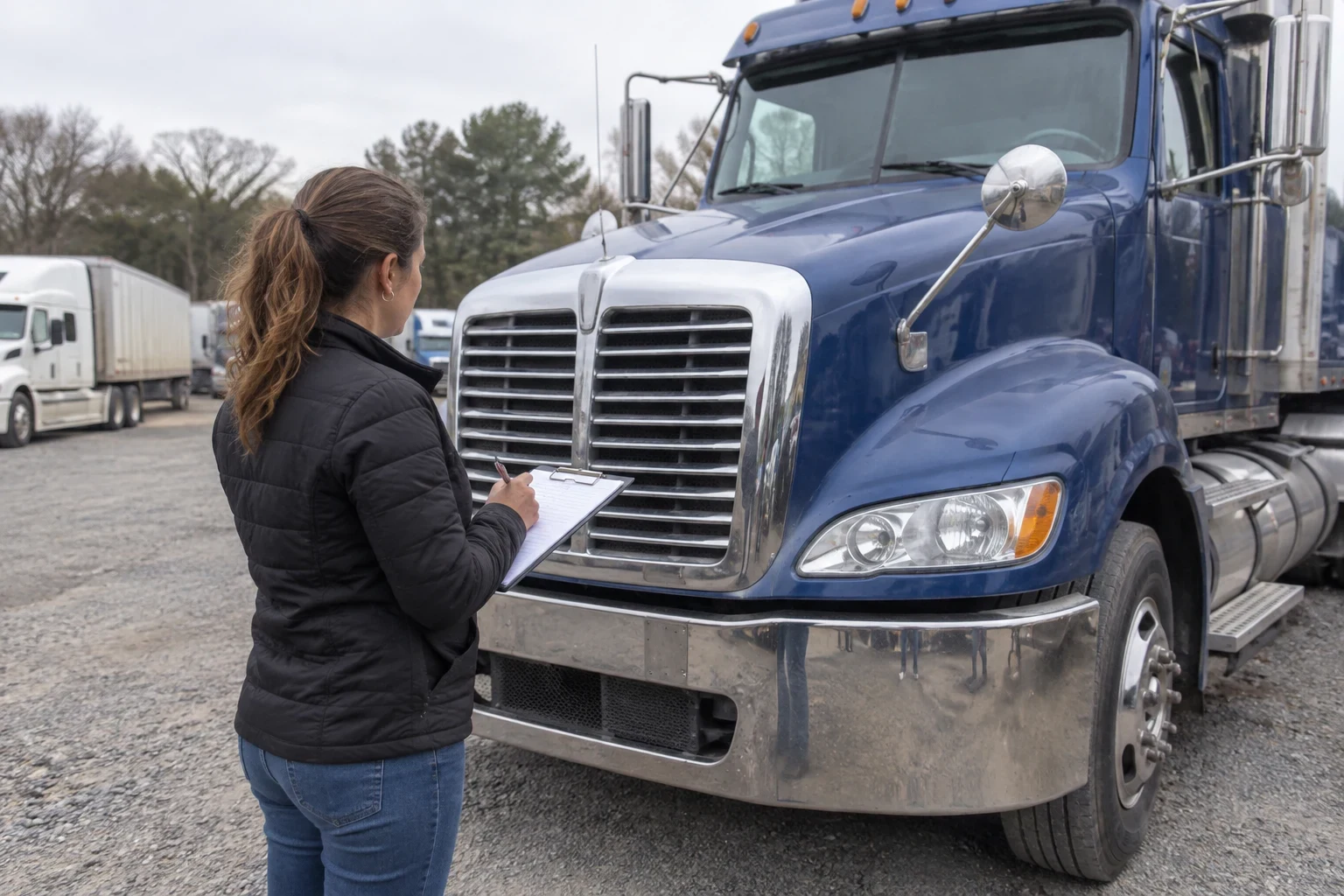
Physical damage coverage pays to repair or replace your own truck and trailer after a wreck, theft, fire or storm. We set the stated value, deductible and loss payee with care, so the policy pays what your equipment is worth when it counts.
Coverage for the equipment you own
Liability protects other people. Physical damage protects you, the owner of the truck. It combines collision, which covers damage from hitting another vehicle or object, with comprehensive, which covers theft, fire, vandalism, falling objects, flood and hail. If your truck is financed or leased, the lender almost always requires it.
Most of the value in this coverage lives in a few small entries on the policy: the stated value, the deductible, who is named as loss payee and whether permanently attached equipment is listed. Get those right and a claim settles cleanly. Get them wrong and you can be paid for a truck worth far less than yours, or find a reefer unit or sleeper upgrade left out.
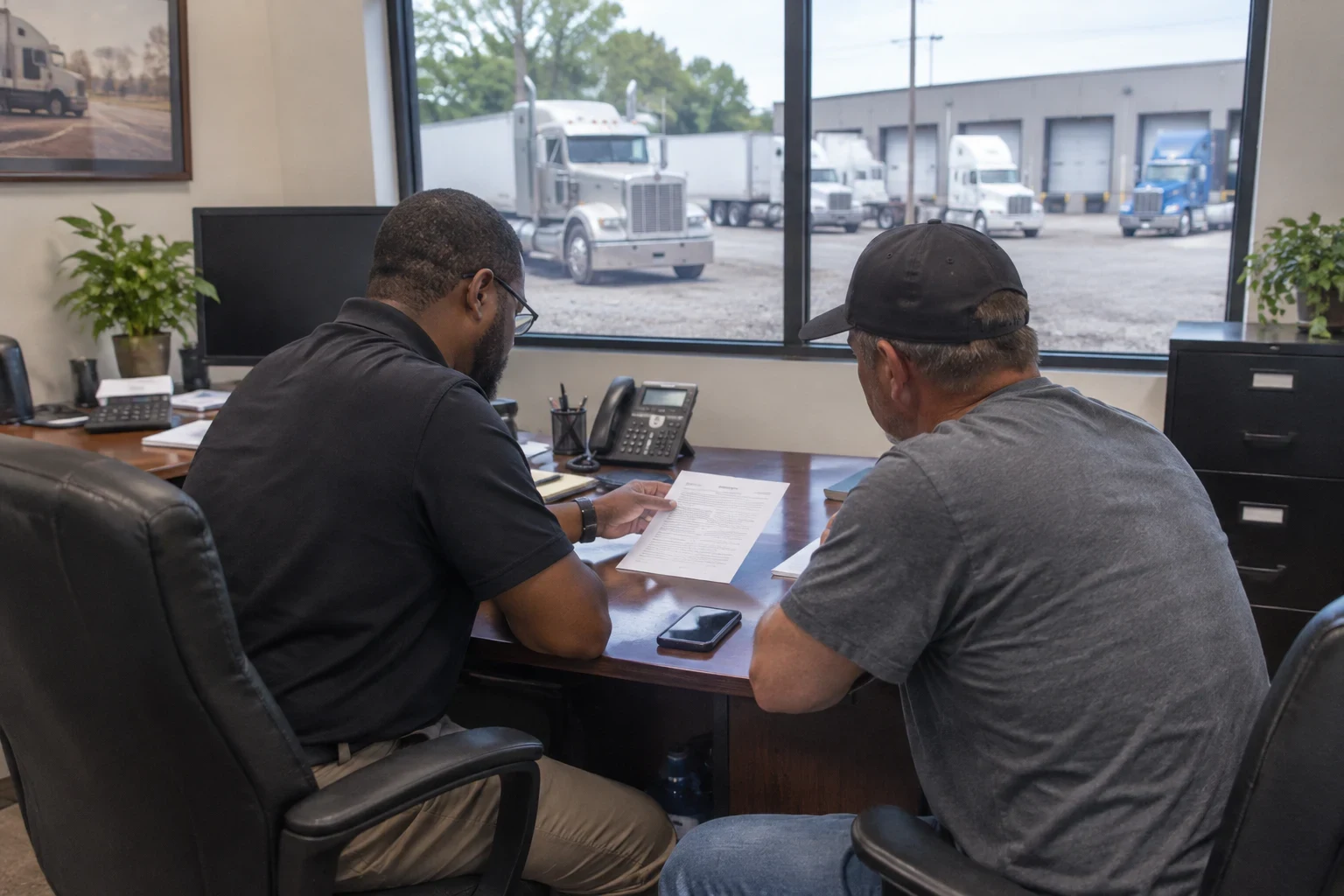
We have been in business 5 years, and most of that time has gone into reading these details closely with owner-operators and small fleets. We work at our office or by phone and video.
What we set up on your policy
- 01
Collision coverage
Pays to repair or replace your truck after an impact with another vehicle, a guardrail, a dock or a rollover, less your deductible. Fault does not decide whether this part of the policy responds.
- 02
Comprehensive coverage
Covers losses that are not collisions: theft, fire, vandalism, glass, flood and hail. Spring storms across north Georgia make hail and falling limbs a real reason to keep this in place.
- 03
A stated value that fits the truck
We look at year, mileage, condition and recent comparable sales before settling on a number. Stated too low, you are underpaid after a total loss. Stated too high, you pay premium on value the insurer will never pay out.
- 04
Trailers and attached equipment
Each trailer is scheduled with its own value. We ask about reefer units, liftgates, custom bumpers, chrome and sleeper builds so they are listed rather than assumed.
- 05
Loss payee and lienholder details
We name your lender or lessor exactly as their paperwork requires and send the certificate of insurance they ask for, which keeps your financing in good standing.
Questions about Physical Damage Insurance?
Call(770) 762-4540When it is time to look at this coverage
You just financed or leased a truck
Lenders require physical damage coverage and proof of it before the truck leaves the lot. We can line up the policy and the lienholder certificate together.
Your stated value has not changed in years
Used truck prices move. A value set three renewals ago may no longer match what it would cost to replace the truck today.
You added equipment
A new trailer, a reefer unit or an expensive upgrade is not covered just because the truck is. It needs to be listed.
Your deductible no longer fits your cash on hand
If a sudden repair bill at today's deductible would stall your operation, the balance between deductible and premium deserves another look.
You are leasing on to a carrier
The carrier's policy usually covers liability, not your own truck. Owner-operators leased on often carry physical damage on their own.
How we build your physical damage policy
- 1
A conversation about the equipment
By phone, video or at our office, we go through each truck and trailer: year, make, VIN, mileage, condition and anything added since purchase. We also ask where the trucks park overnight and how far they run.
- 2
Setting values and deductibles
We suggest a stated value for each unit and show how different deductibles change the premium. You choose where the balance sits, with the trade-offs laid out plainly.
- 3
Comparing quotes
We bring back options and explain what differs between them, including exclusions, how total losses are valued and any limits on towing or rental. You get your quote by phone, with time to ask questions.
- 4
Binding and paperwork
Once you choose, we bind coverage and send certificates of insurance to your lender, lessor or carrier. You know who receives a copy and what it shows.
What moves the premium
Physical damage premiums are figured mostly from the value of what you are insuring and how likely a loss is. Two trucks of the same model can price quite differently. We walk through each factor so the number makes sense before you commit.
- Stated value of each unit
- Premium is usually a rate applied to the stated value. Higher values cost more to insure, which is one reason an accurate number matters.
- Deductible
- A higher deductible lowers the premium but means more out of pocket per claim. Many operators choose differently for collision and comprehensive.
- Driving records and experience
- Clean records and years behind the wheel help. Recent accidents or violations raise the collision side in particular.
- Type of operation and radius
- Long-haul runs, dump work on job sites and local box truck routes each carry different risks of damage and theft.
- Where the trucks park
- A fenced, lit yard reads differently to an insurer than a truck stop or a street. Parking affects the theft and vandalism side of the rate.
Physical damage insurance questions
Is physical damage insurance required by the FMCSA?
No. Federal filings cover liability, not damage to your own truck. Physical damage becomes required when a lender or lessor writes it into your financing agreement, which most do. If you own the truck outright, it is your choice, though going without means paying for any loss yourself.
What is the difference between stated value and actual cash value?
Stated value is the amount listed on your policy for the truck. On many truck policies, a total loss pays the lesser of that stated value or the actual cash value at the time of the loss. That is why we work to set the stated value close to what the truck is really worth, not higher or lower.
Does this cover my trailer too?
Only if the trailer is scheduled on the policy. Each trailer you own should be listed with its own value. If you pull trailers you do not own, that is a separate need covered by trailer interchange insurance or non-owned trailer coverage, which we can explain.
I am leased on to a carrier. Don't they cover my truck?
Usually the carrier covers primary liability while you are under dispatch, not damage to your own equipment. Most owner-operators leased on carry their own physical damage, often alongside non-trucking liability (bobtail) insurance. We will read your lease agreement with you to confirm what it requires.
Are downtime and towing included?
It depends on the policy. Some include a towing limit, and some offer rental or downtime coverage as an option with its own limits. We point out what each quote includes so you are not surprised after a breakdown or wreck.
Let's get the details right on your truck
Bring your VINs, mileage and lender paperwork, and we will go through values and deductibles one unit at a time. You will know exactly what your physical damage policy pays before you sign.