ServicesNon-Trucking Liability (Bobtail)
Non-Trucking Liability (Bobtail) Insurance in Marietta
When you are leased to a motor carrier, their policy covers you under dispatch. The hours in between are yours to insure. We write non-trucking liability that fits your lease, names your carrier correctly and leaves no quiet gap between the two policies.
What non-trucking liability covers, and when it is the right policy
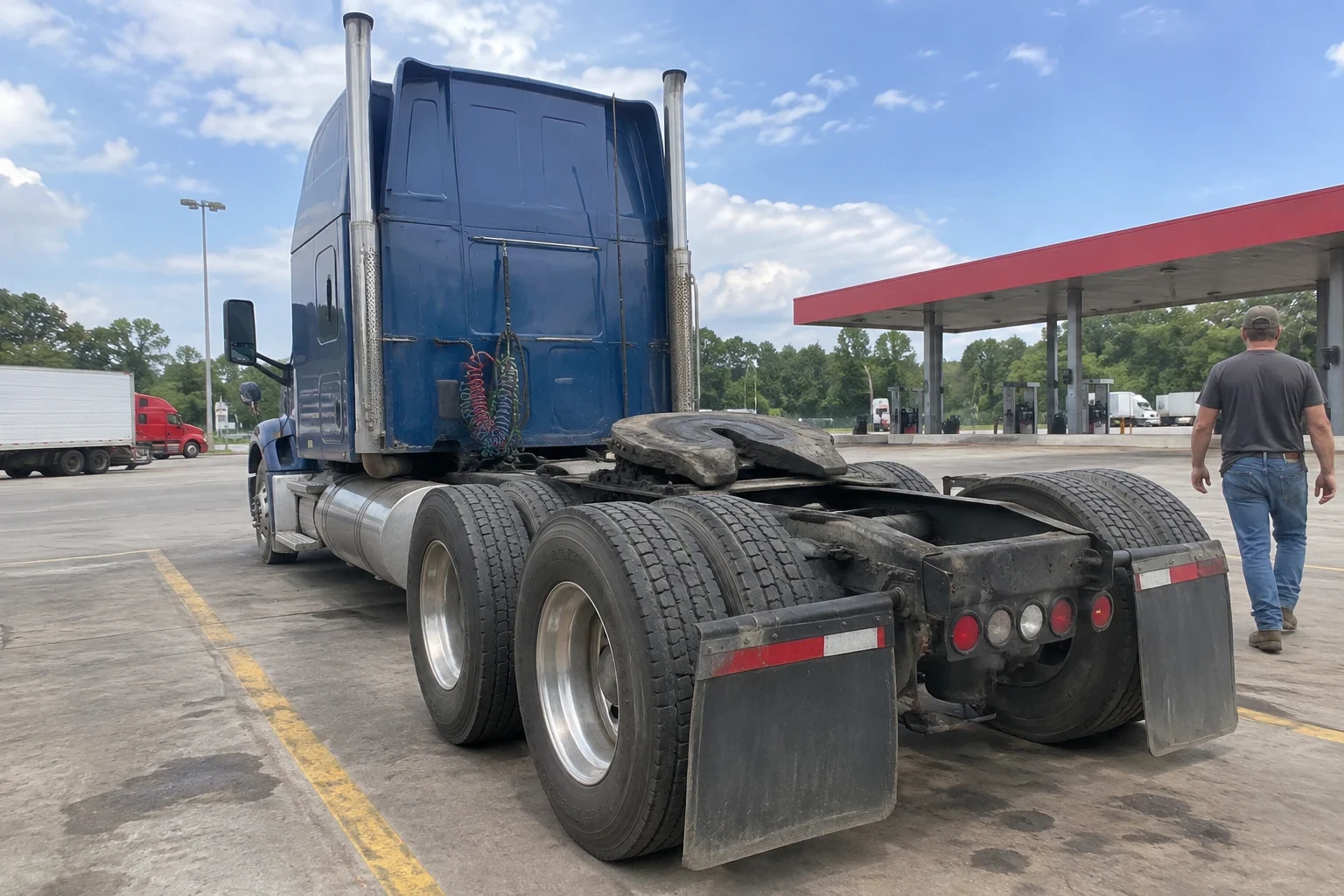
Non-trucking liability protects an owner-operator against injury and property damage claims while the truck is being used for something other than hauling for the carrier. Driving back after your last load is released, heading out on a personal errand, taking the truck to a mechanic on your own time. Your carrier's primary auto liability stops at the edge of dispatch, and this policy picks up from there.
People often say bobtail and non-trucking liability as if they were the same thing. They are close, not identical. Bobtail wording usually depends on a trailer being attached or not, while non-trucking wording depends on the truck being used for business at the time. That difference decides real claims, so we read the definitions before we recommend either one.
It is the right fit if you run under someone else's MC authority on a lease. If you hold your own authority, you need primary auto liability instead, and we can walk you through that on our Primary Auto Liability Insurance page.
What we look at when we build your policy
- 01
Your lease agreement, read first
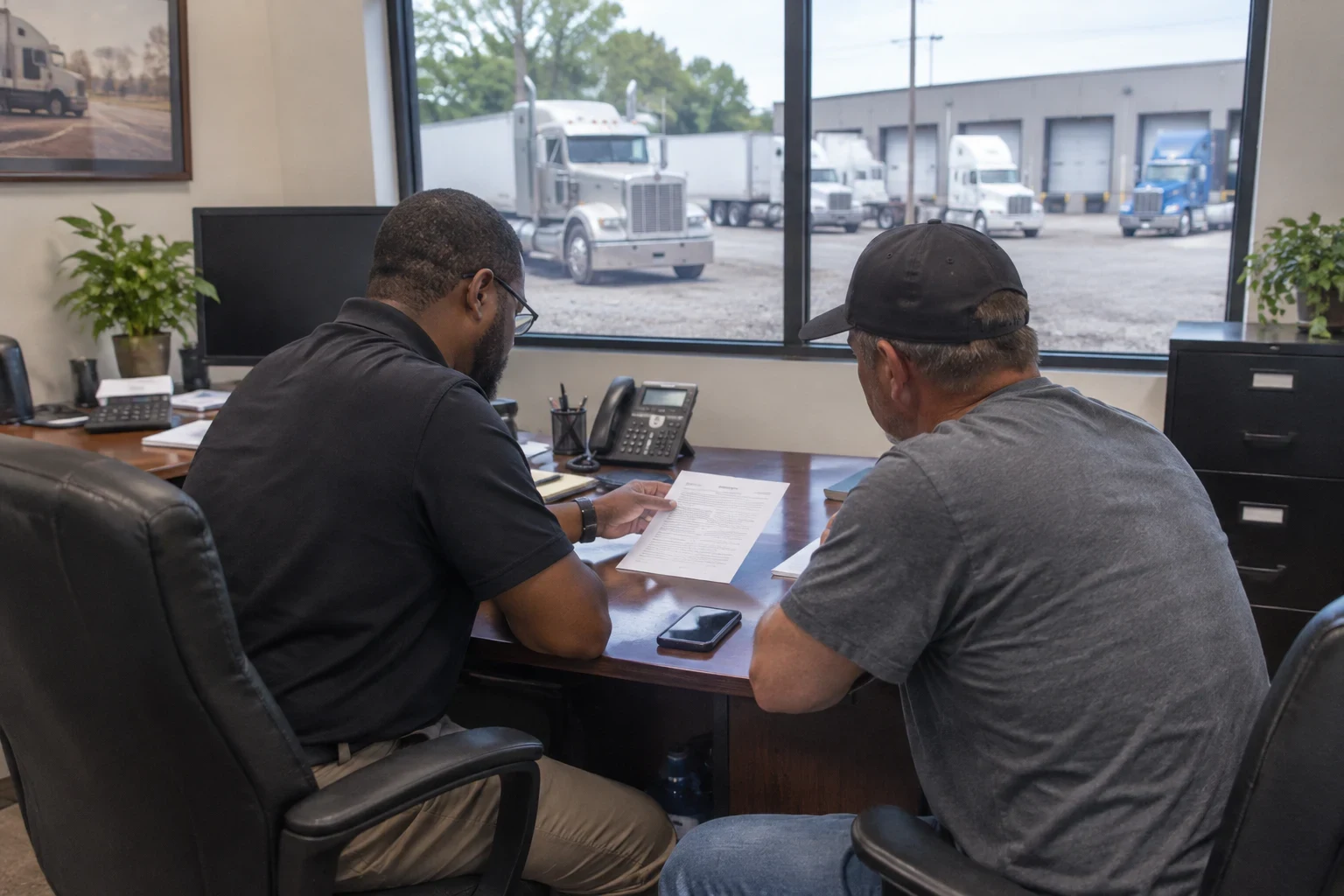
Most leases spell out the liability limit the carrier expects and how they want to be listed on your coverage. We read that section before quoting so the policy matches what you signed.
- 02
The off-dispatch definition
Every insurer words the trigger a little differently. We check how the policy defines business use, because that line is where most disputed claims start.
- 03
Certificate of insurance for your carrier
Your carrier will want a certificate on file, often with their exact legal name shown as certificate holder or as an additional party on the policy. We get the spelling and entity name right so onboarding is not held up.
- 04
Liability limit that fits the lease
We match the limit to the contract and explain what a higher limit would add, without pushing you toward more than the lease requires.
- 05
How it pairs with your other coverage
Non-trucking liability does not repair your own truck or cover freight. If you need protection for the tractor itself, we cover that on our Physical Damage Insurance page.
Questions about Non-Trucking Liability (Bobtail)?
Call(770) 762-4540Signs it is time to look at your bobtail coverage
You just signed a lease
New lease, new carrier, new certificate requirements. The policy you carried for a previous carrier may not satisfy this one.
Your carrier asked for a new certificate
A request for an updated certificate often means a name change, a higher limit or a new requirement for how the carrier is listed. Worth a careful look rather than a quick resend.
You are unsure where dispatch ends
Deadheading back toward the terminal, fueling between loads and driving to pick up a load are usually treated as business use. If your daily pattern blurs those lines, the wording on your policy matters more than the price.
You take the truck home most nights
Plenty of drivers around Marietta park at the end of the day and run personal errands in the tractor. That is exactly the time this coverage exists for, so it needs to be in place and correct.
Your truck sits idle part of the year
Seasonal work or a gap between leases changes what you need. We can talk through if the policy still makes sense during those stretches.
How the quote comes together
- 1
A conversation about your operation
We start with a call, or meet at our office or by video. We ask who you are leased to, how you use the truck off the clock and where it is parked at night.
- 2
We review the lease and the requirements
Have your lease agreement and your carrier's certificate instructions handy. We note the required limit and the exact names that need to appear.
- 3
Quote with the wording explained
We show you the premium and point out the off-dispatch definition and any exclusions in plain language. You decide with the details in front of you.
- 4
Certificate sent and confirmed
Once the policy is bound, we issue the certificate to your carrier and confirm they have what they need. If something on it is off, we correct it.
What moves the price of non-trucking liability
Non-trucking liability usually costs far less than primary liability, because it only applies to part of your driving time. Still, no two owner-operators pay the same. These are the things insurers weigh most.
- Your driving record and experience
- Moving violations, accidents and how long you have held a CDL carry the most weight. A clean record over several years makes a real difference.
- The liability limit required
- Your lease sets the minimum. A higher limit raises the premium, though often by less than drivers expect.
- Where the truck is garaged
- Insurers rate by the location where the truck sits overnight. Garaging in a dense metro area tends to rate differently than a rural yard.
- Truck type and claims history
- The type of tractor or straight truck and any past liability claims both factor into the rate.
Questions about non-trucking liability
Does non-trucking liability cover me while I am driving to pick up a load?
Usually not. Driving to a pickup is generally considered business use, which falls under your carrier's primary liability. Non-trucking liability is meant for the time you are genuinely off dispatch. We point out how your specific policy words this before you buy.
Is bobtail insurance the same as non-trucking liability?
They overlap, but the trigger differs. Bobtail coverage typically applies when no trailer is attached, while non-trucking liability applies when the truck is not being used for business. Some carriers ask for one specifically, so we check your lease to see which term they use.
Will this policy pay to repair my own truck after an accident?
No. It covers your liability to other people for injury and property damage. Damage to your own tractor is handled by physical damage coverage, which we can quote alongside it.
Do I need this if I have my own MC authority?
No. Running under your own authority means you need primary auto liability, which covers you both on and off dispatch. Non-trucking liability is built for drivers leased to another motor carrier.
How long have you been writing trucking coverage?
We have been in business 5 years, working with owner-operators and small carriers across Marietta and nearby towns like Kennesaw, Smyrna and Woodstock. Much of that work has been reading lease agreements and getting certificates right the first time.
Get the off-dispatch hours covered properly
Have your lease agreement nearby and we will go through it with you. You will hear the premium and exactly what the policy wording means for the way you use your truck.