ServicesFleet Truck Insurance
Fleet Truck Insurance in Marietta
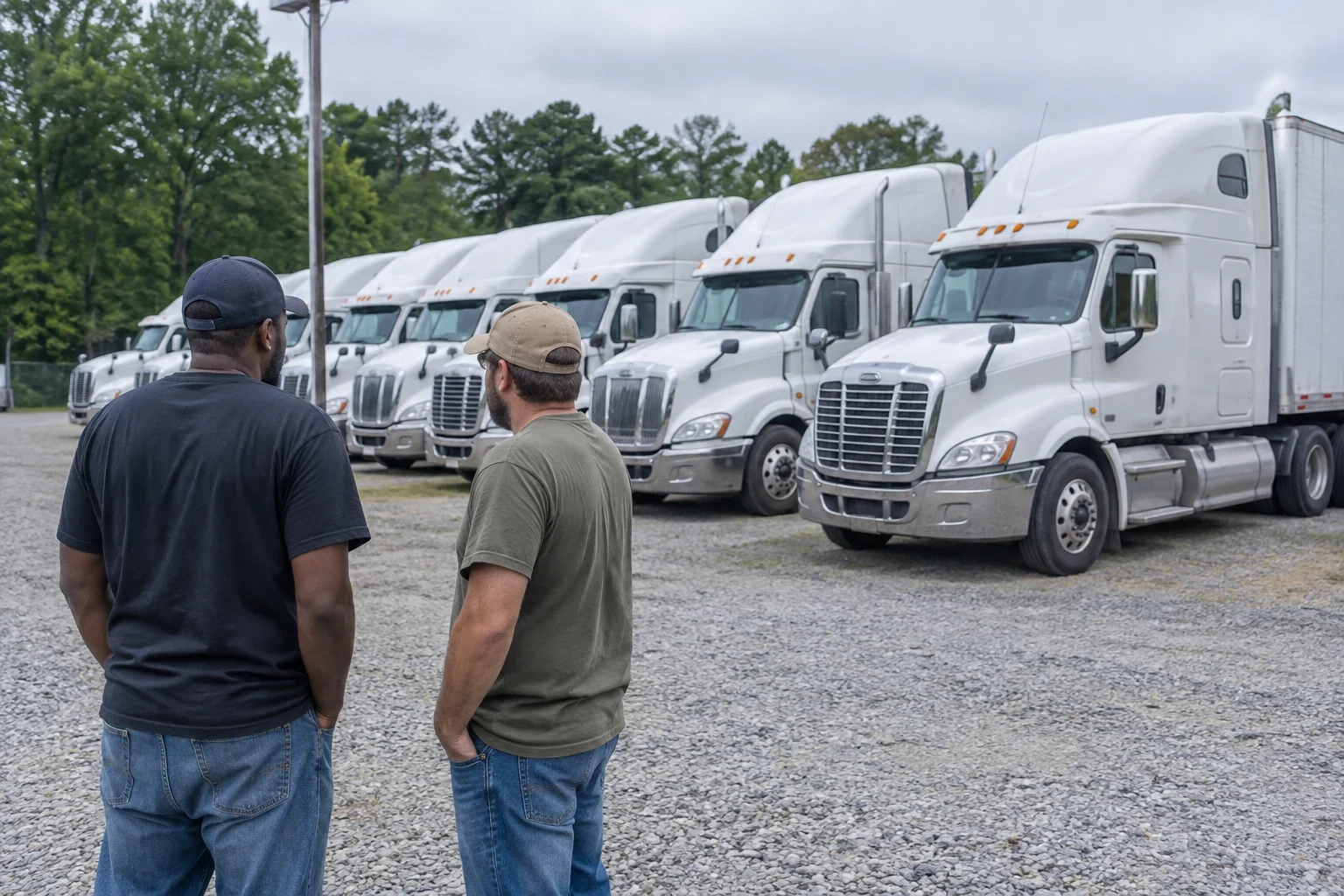
When you run several trucks, the policy is only as good as the schedule behind it. We build fleet coverage line by line: every unit, every driver, every filing checked against how your operation actually runs, so a claim does not turn up a gap nobody noticed.
What fleet truck insurance covers and when it fits
Fleet truck insurance puts several power units, trailers and drivers under one commercial policy instead of a stack of separate ones. It usually combines primary auto liability, physical damage and motor truck cargo coverage, with the federal and state filings your MC authority needs kept on a single account.
It is the right call once you have moved past one or two trucks, or when you are hiring drivers who are not on your own lease. At that point the small things start to matter: a VIN typed wrong, a driver added by text message and never confirmed, a stated value that has not changed since the truck was bought. We have spent our five years in business learning where those details slip and how to keep them in place.
We work with motor carriers across Marietta and the surrounding area, meeting at our office or by phone and video.
What goes into a well-built fleet policy
- A unit schedule that matches the titles
- We list each tractor, straight truck and trailer by year, make, VIN and stated value. Before anything goes to a carrier, we check it against your registrations so a claim is never held up by a mismatched number.
- Driver list and MVR review
- We pull together every driver's license details and motor vehicle record, then flag anyone whose history could raise the premium or limit coverage. You decide who drives which equipment with that information in front of you.
- Liability, physical damage and cargo coverage set to your freight
- Limits and deductibles are chosen around what you haul, your shippers' contract requirements and the value of your equipment. A fleet hauling building materials needs different cargo terms than one moving refrigerated loads.
- Filings and certificates handled carefully
- We make sure the federal filings tied to your DOT number and MC authority are submitted correctly. When a shipper or broker asks for a certificate of insurance, we compare the company name as listed, any additional party wording and the limits against exactly what they requested.
- Mid-term changes done in writing
- Fleets change. When you add a truck, sell a trailer or hire a driver, we process the endorsement and confirm it back to you so the schedule stays current all year.
Signs your fleet coverage needs a closer look
Your trucks are on separate policies
Different renewal dates, deductibles and carriers make it easy for one unit to lapse unnoticed. Putting the fleet on one account usually gives you a clearer picture.
The schedule has not been updated in a while
If a truck you sold is still listed, or one you bought is missing, you may be paying for the wrong equipment and leaving the right one exposed.
Brokers keep sending certificates back
Rejected certificates often point to wording or limit problems in the policy itself, not just the paperwork.
Your driver roster turns over often
Drivers who were never formally added can create real trouble after an accident. A steady process for adding and removing names avoids that.
Renewal premiums jumped without explanation
An increase usually traces back to something specific, such as a loss, a driver record or a change in radius. We go through your loss runs to find it.
What shapes the premium for a fleet
Fleet pricing is built from the details of your operation, which is why we take time to get them right. A clean, complete submission often gets better attention from carriers than a rushed one. These are the factors that move the number most.
Driver experience and records
Years of commercial driving, recent violations and accident history weigh heavily. One driver with a rough record can change the price for the whole fleet.
Number and value of units
More trucks spread some costs, but newer, higher-value equipment raises physical damage premium. Stated values should reflect what each unit is worth today.
Radius and freight type
Local runs between Marietta and Kennesaw rate differently from long-haul lanes. High-value or hazardous commodities raise cargo and liability costs.
Loss history and safety practices
Clean loss runs help. Documented maintenance, driver hiring standards and safety programs can also count in your favor with some carriers.
How we put your fleet policy together
- 1
A conversation about your operation
We start by phone, video or at our office. You tell us what you haul, how far you run, how many units and drivers you have, and what your contracts require.
- 2
Gathering the paperwork
We collect your DOT number, MC authority details, unit list, driver information and recent loss runs. We check each item as it comes in rather than waiting until the end.
- 3
Shopping and comparing quotes
We take a complete, accurate submission to carriers that write fleets your size. When quotes come back, we lay them side by side and explain where limits, deductibles and exclusions differ, not just the premium.
- 4
Binding, filings and your first certificates
Once you choose, we bind the policy, confirm the filings and send the certificates your customers need. Then we stay on the account for changes through the year.
Fleet truck insurance questions
How many trucks do I need before it counts as a fleet?
It depends on the carrier, but many begin treating an account as a fleet at a few power units. The more useful question is whether your trucks are easier to manage on one policy. If you are juggling separate renewals, they usually are.
Can I add a truck in the middle of the policy term?
Yes. We add the unit by endorsement once we have the VIN, value and who will drive it. We confirm the change back to you in writing, and the premium is adjusted for the remaining term.
Do my leased owner-operators need to be on my fleet policy?
It depends on your lease agreements and how the trucks are dispatched. Leased-on owner-operators often carry their own physical damage and Non-Trucking Liability (Bobtail) Insurance while running under your liability coverage. We read through your leases and explain where each piece belongs.
What happens if one driver has a bad record?
Some carriers will exclude that driver, others will price the whole policy higher, and a few may decline. We show you those trade-offs plainly so you can decide whether that driver stays on your trucks.
Can you take over my existing fleet policy at renewal?
We can review your current policy and loss runs ahead of renewal and shop it. Starting a couple of months early gives us time to fix schedule errors before they carry into the new term.
Let's look at your fleet together
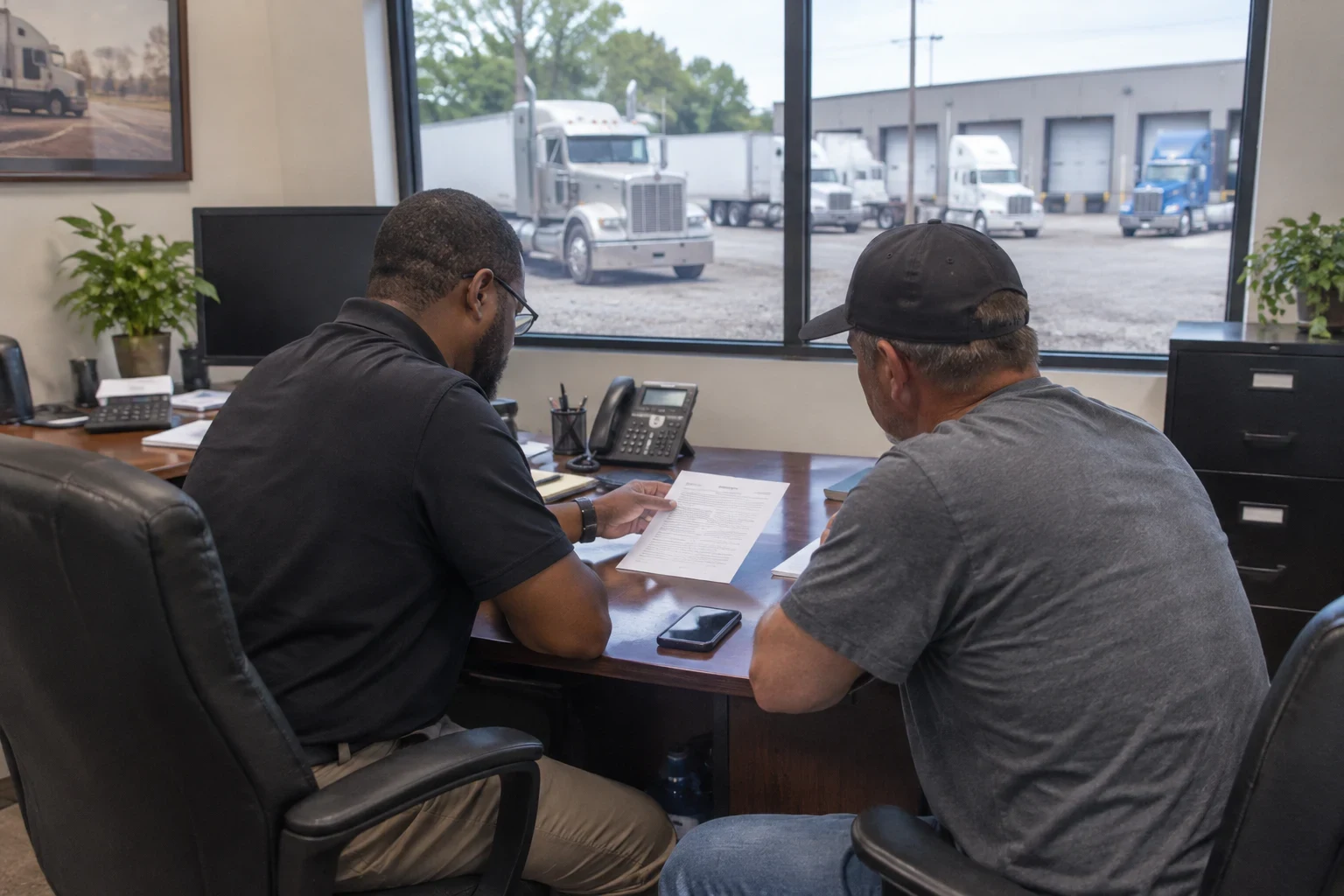
Bring your unit list and driver roster, or just what you know so far. We will go through it with you and explain what we find.