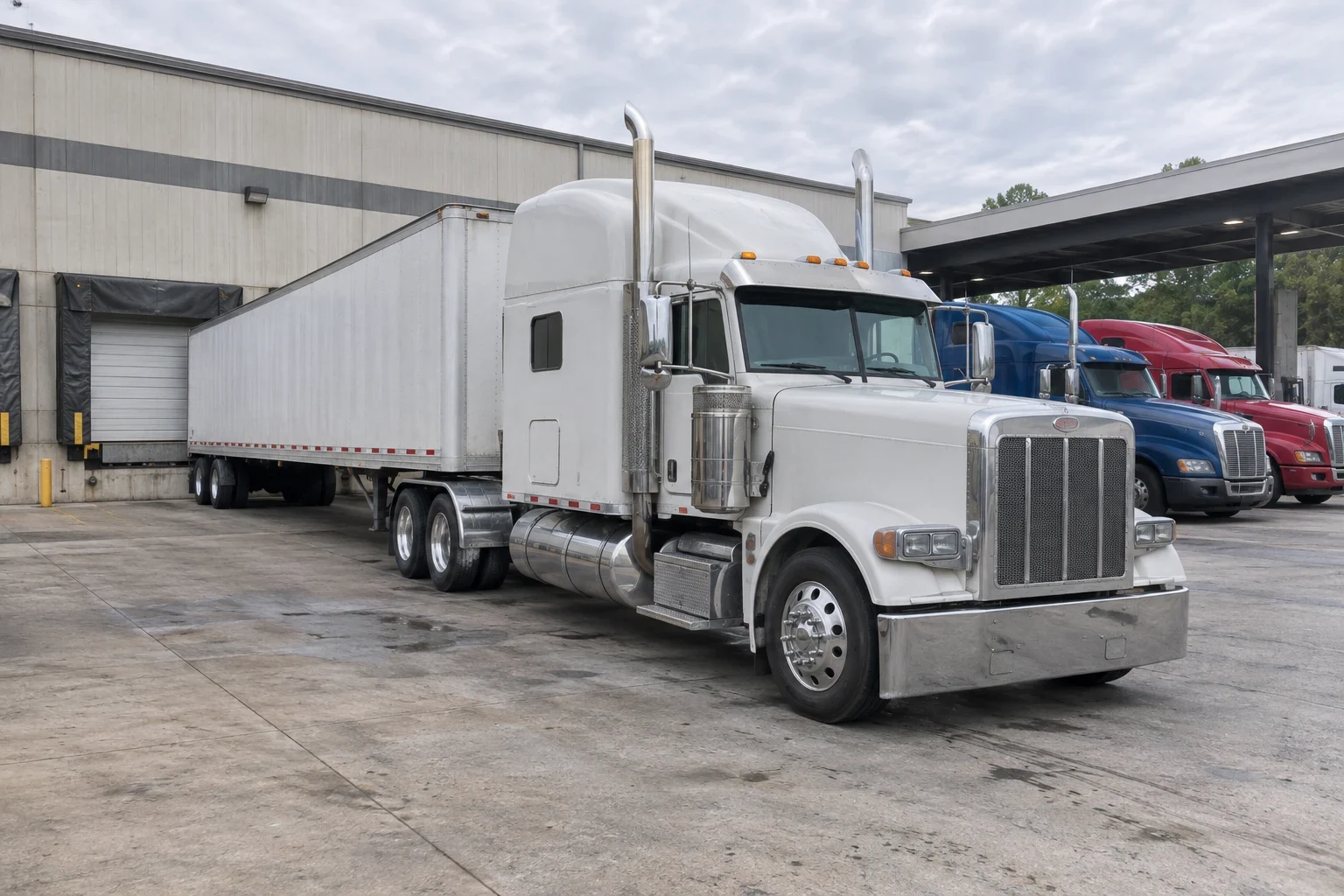
Trucking Insurance in Marietta, Set Up Detail by Detail
We write liability, physical damage, cargo, bobtail and trailer interchange coverage for owner-operators, new-authority motor carriers and small fleets. Every VIN, driver, radius and filing is checked before a policy is bound, so the coverage you pay for is the coverage you have. We work with carriers across Marietta, Kennesaw and Smyrna.
- In business 5 years
- Every VIN and driver verified
- Filings checked before binding
- Office, phone or video
A Small Agency That Works Slowly Where It Counts
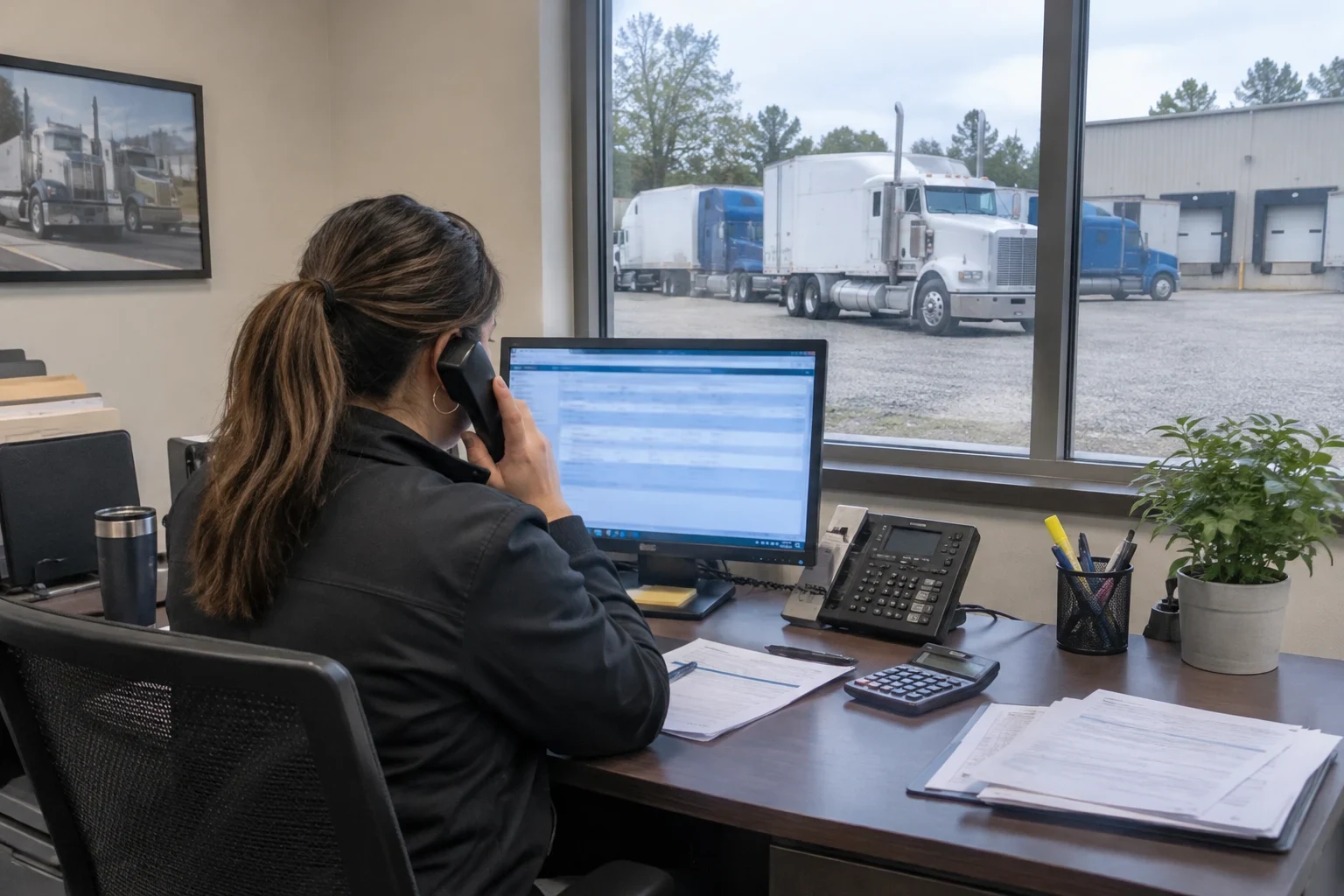
We started this agency to give truckers a policy put together with the care they put into their own equipment. That means taking time over the quiet parts of insurance work: the driver schedule, the garaging address, the cargo form wording, the name on the filing.
Our clients are owner-operators leasing on or running their own authority, new motor carriers getting their first policy, and small and mid-size fleets that need someone who answers the phone and knows their file. We meet at our office or by phone and video, whichever fits around your loads.
- In business
- In business 5 years
Coverage for the Way Your Trucks Actually Run
We build policies around the truck, the freight and the contracts you haul under. That covers primary auto liability, physical damage, motor truck cargo, non-trucking liability (bobtail) and trailer interchange, plus programs shaped for owner-operators, new authority, fleets, hotshot rigs, box trucks and dump and construction trucks. Each coverage has its own page with the details that matter most. If you are not sure which pieces your operation needs, that is the first thing we sort out on the phone.
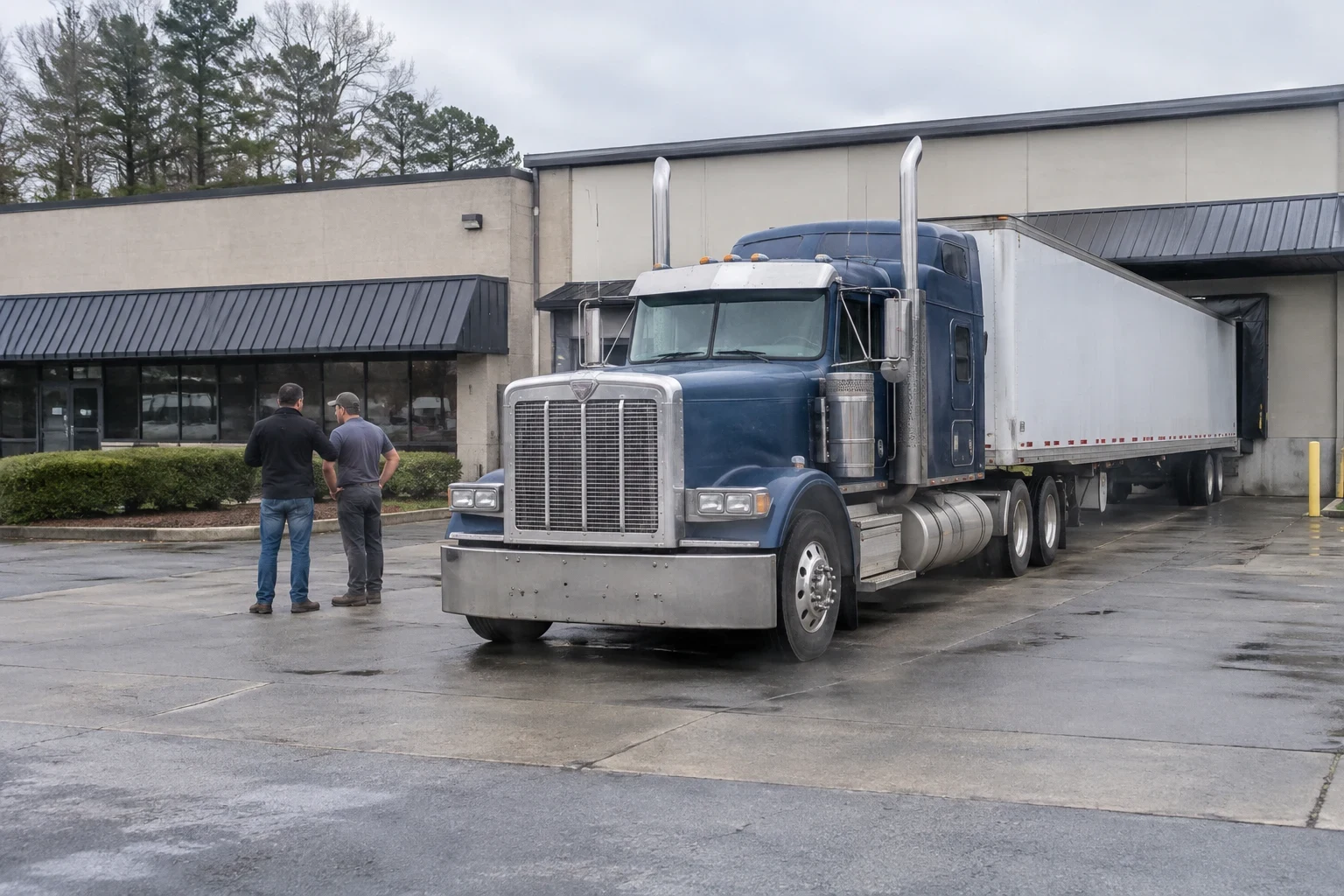
Commercial Trucking Insurance
Liability, physical damage and cargo coverage assembled for your trucks, with filings and certificates checked line by line before you sign.
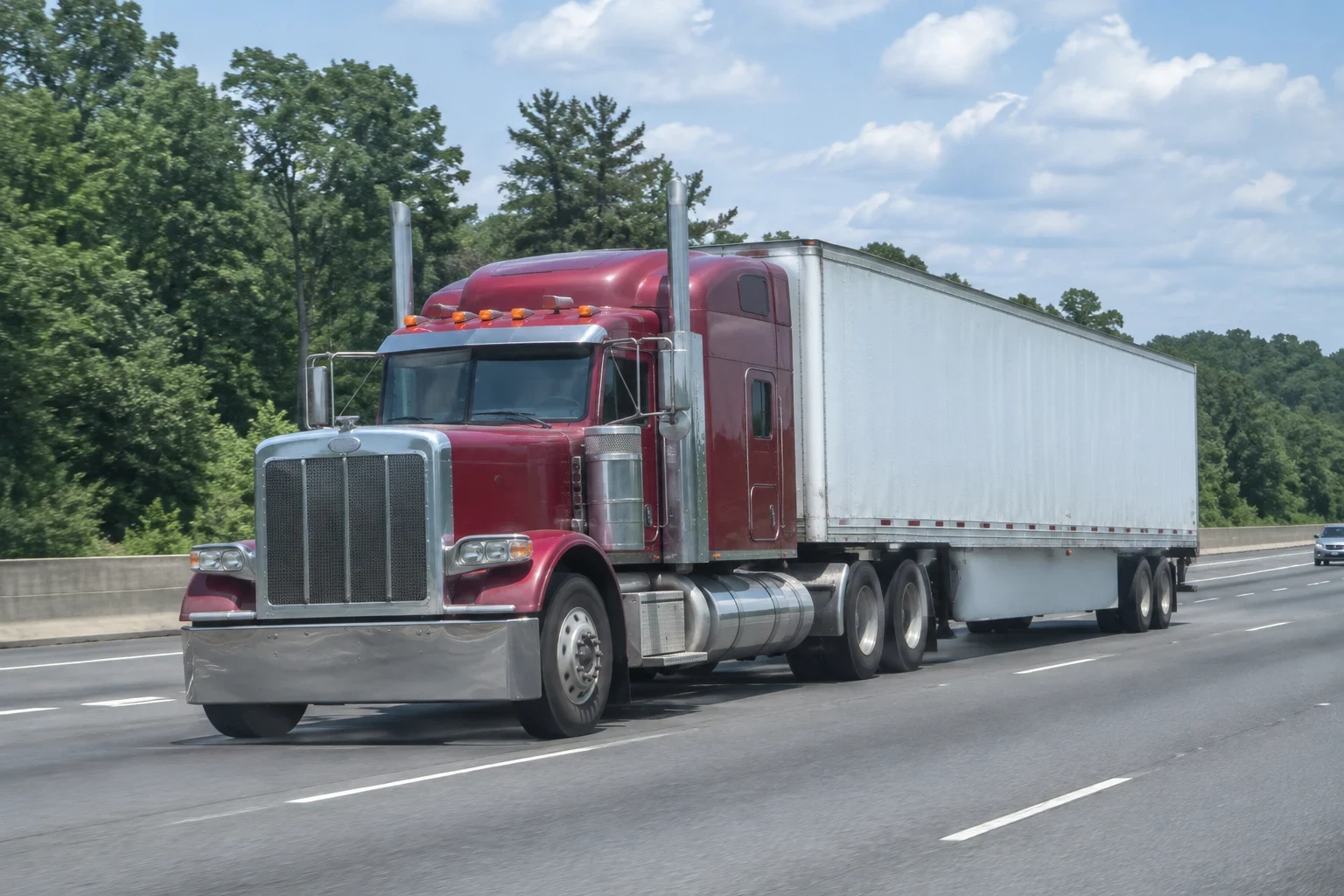
Primary Auto Liability
The coverage your MC authority depends on, written with the right limits, a clean truck schedule and filings that match your DOT records.
Physical Damage Insurance
Collision and comprehensive coverage for the tractor, trailer or straight truck you own, with stated values and deductibles set line by line.
Motor Truck Cargo Insurance
Cargo coverage matched to your commodities, equipment and broker limits, with the exclusions explained before you sign rather than after a claim.
Non-Trucking Liability (Bobtail)
Liability for leased owner-operators when the truck is off dispatch, written to match your lease agreement and your carrier's certificate requirements.
Trailer Interchange Insurance
Physical damage coverage for trailers you don't own but pull under a written interchange agreement, with limits set to what the contract actually asks for.
Owner-Operator Truck Insurance
Coverage for one-truck operations, leased on or under your own authority, with the lease terms, stated values and filings matched to how you actually run.
New Authority Insurance
Coverage and federal filings for motor carriers with a fresh MC authority, set up so your authority activates cleanly and brokers accept your certificate.
Fleet Truck Insurance
Coverage for small and mid-size fleets, written from an accurate list of your trucks, trailers and drivers so the policy matches how your operation runs.
Dump Truck Insurance
Coverage for tri-axles, end dumps and other construction trucks, matched to what you haul, how far you run and what your job sites require.
Hotshot Truck Insurance
Liability, cargo and physical damage for pickup-and-gooseneck operations, with the trailer, radius and freight written correctly on the policy.
Box Truck Insurance
Coverage for straight trucks and cargo vans on local and regional runs, with the liftgate, cargo and contract details written in correctly.
Why Carriers Stay With Us
A trucking policy rarely fails in the big print. It fails in a misspelled VIN, a driver left off the schedule or a radius that does not match your lanes. We spend our time on those details.
- 01
We read the schedule, not just the premium
Before we bind, we compare every unit, VIN, stated value and listed driver against your registrations and MVRs. A trailer that is missing from the schedule is a trailer with no coverage, and we would rather catch that at the desk than after a loss.
- 02
Filings handled carefully
For motor carriers with MC authority, the liability filing has to reach the FMCSA under the right DOT number and legal name. We confirm the filing posts and check it again if anything about your authority changes.
- 03
Certificates that match the contract
Shippers and brokers often ask for specific wording, additional insureds or cargo limits. We read their requirements and issue each certificate of insurance to match, so a load is not held up over paperwork.
- 04
Plain answers on exclusions
Cargo forms in particular can carry exclusions for unattended trucks, certain commodities or reefer breakdown. We point them out before you sign, in plain language, and tell you when a different form fits your freight better.
- 05
A policy that keeps up with your operation
Add a truck, hire a driver, pick up a new lane or customer. We adjust the policy when the business changes instead of waiting for renewal.
What Shapes Your Premium
Trucking premiums are built from many small inputs, and underwriters weigh each one. Knowing which ones carry weight helps you see your quote clearly and spot what you can improve before renewal.
Every quote starts from your actual units, drivers and freight. We walk through the numbers by phone and explain which line drives which part of the cost.
- Time under your authority
- A new MC authority has no loss history yet, so underwriters lean on driver experience and the business plan. Rates usually ease as clean months build up.
- Drivers and their records
- Age, years of CDL experience and MVR violations all count. One driver with recent violations can move the premium for the whole policy.
- Radius and lanes
- Local hauling, regional runs and long-haul interstate work are rated differently. Where your trucks are garaged and the states you run through matter too.
- What you haul
- General freight, building materials, reefer loads and high-value goods all carry different cargo risk, and the cargo premium follows the commodity.
- Equipment and values
- The year, type and stated value of each tractor, trailer or straight truck drive physical damage cost. Dashcams and telematics can help with some carriers.
- Limits and deductibles
- Higher liability limits required by a broker or shipper raise the premium, while a larger physical damage deductible can bring it down.
Serving Carriers Around Marietta
Our office is in Marietta, and we work with trucking businesses across Cobb County and the northern metro. That includes operators based in Kennesaw, Smyrna, Mableton, Fair Oaks and Vinings, along with Roswell, Sandy Springs, Dunwoody, Brookhaven and Woodstock. Because most of the work happens by phone and video, distance rarely matters.
- Marietta
- Fair Oaks
- Mableton
- Smyrna
- Kennesaw
- Vinings
- Sandy Springs
- Roswell
- Brookhaven
- Dunwoody
- Woodstock
If your trucks are garaged somewhere else in Georgia, ask us anyway. Our Service Areas page lists the places we work most often.
Questions Truckers Ask Us
- What coverage do I need to get my MC authority active?
- The FMCSA requires proof of primary auto liability before your authority goes active. The insurance company files it under your DOT number. Some types of freight also call for a cargo filing, and most brokers will ask for motor truck cargo coverage even when the law does not require it. We go over which filings apply to your operation on the first call.
- I'm leased on to a carrier. Do I still need my own policy?
- Usually the motor carrier covers primary liability while you are under dispatch. You are often responsible for non-trucking liability (bobtail) and physical damage on your own truck. Your lease agreement spells this out. We read it with you so there are no gaps between what the carrier covers and what you carry.
- Why is insurance for a new authority so expensive?
- Underwriters have no loss history to rate you on, so they lean on driver experience, equipment and the type of freight. A clean record, a solid CDL history and careful driver hiring all help. Premiums tend to improve as you build time under your own authority without claims.
- How quickly can I get a certificate of insurance for a broker?
- Once your policy is in force, we issue certificates as brokers and shippers request them. We read each request for the holder name, any special wording the contract calls for and the required limits. That way the certificate is accepted the first time and your load is not held up.
- What happens if I add a truck or a driver mid-term?
- Let us know before the truck goes into service or the driver takes a load. We add them to the schedule, adjust the premium and update any filings or certificates that need to change. An unlisted driver or unit can leave you without coverage after a loss.
- Does my cargo policy cover everything I haul?
- Not always. Many cargo forms exclude certain commodities, unattended vehicles or reefer breakdown unless it is added. Tell us what you haul and we will show you which form fits and point out the exclusions in plain terms.
- Can we do everything by phone?
- Yes. Most clients never need to visit the office. We handle the conversation by phone or video and gather your documents in whatever way is easiest for you.
How a Policy Comes Together
Most of the work happens before anything is bound. Here is how it runs from the first call.
- 1
A conversation about your operation
We ask about your trucks, drivers, freight, radius and the contracts you haul under. The call takes a little longer than a quick rate check would, and it is where accurate quotes come from.
- 2
Documents checked against each other
We gather your DOT number, registrations, driver licenses and any prior loss runs. VINs, values and names get compared side by side so the schedule is right the first time.
- 3
Quotes explained line by line
We go over each option with you, including deductibles, limits and the exclusions worth knowing about. You choose with the whole picture in front of you.
- 4
Binding, filings and certificates
Once you decide, we bind coverage, see that the required filings reach the FMCSA and issue certificates to your brokers and shippers. We confirm the filing is showing before we call the job done.
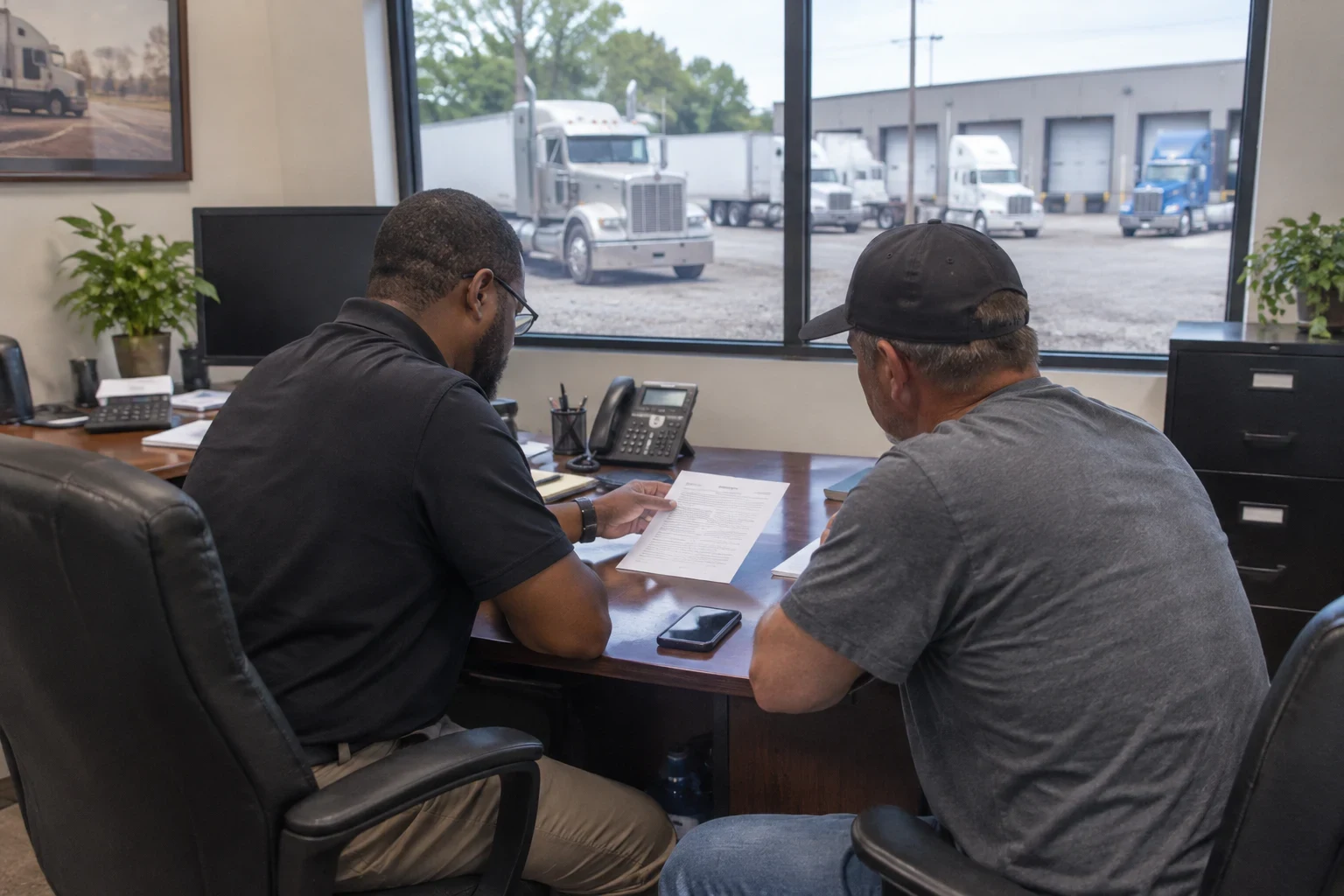
Let's Get the Details Right From the Start
Have your DOT number, unit list and driver information close by. We will walk through your operation and build a quote around how your trucks actually run.